
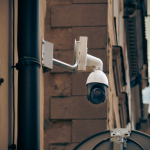

Security technology has evolved rapidly over the past several years, changing the way homes, offices, warehouses, and commercial facilities protect people and property. What once seemed like an advanced surveillance setup can quickly become outdated as newer systems offer sharper video quality, smarter monitoring features, stronger cybersecurity protections, and better remote accessibility. A reliable surveillance system is no longer just about recording footage—it is about delivering real-time awareness, dependable performance, and proactive protection.
Many businesses and property owners continue using aging equipment without realizing how much it may be limiting their security efforts. Older cameras, unreliable recording systems, and weak network integration can create blind spots, reduce response time, and increase operational risks. Understanding the warning signs of an outdated surveillance system can help prevent security vulnerabilities while improving overall efficiency and peace of mind.
Poor Video Quality Makes Identification Difficult
One of the clearest signs your surveillance system needs an upgrade is poor image quality. Grainy footage, blurry recordings, and low-resolution video can make it difficult to identify faces, license plates, or suspicious activities.
Older surveillance cameras often struggle with:
- Low-light performance
- Motion clarity
- Wide-angle coverage
- Zoom capabilities
- Accurate color rendering
Modern surveillance technology offers significantly higher image resolutions, including HD, 4K, and enhanced night vision features. These improvements provide clearer footage that can be essential during investigations or incident reviews.
If your current system produces unclear footage that cannot reliably identify details, it may no longer provide the level of protection you need.
Frequent System Downtime or Failures
A surveillance system should operate consistently and reliably. If cameras frequently disconnect, recordings fail to save, or monitoring software crashes regularly, your system may be reaching the end of its usable lifespan.
Common reliability issues include:
- Cameras randomly going offline
- Recording interruptions
- Storage device failures
- Delayed video playback
- System reboot problems
- Connectivity disruptions
Frequent failures can leave areas unmonitored and create serious security gaps. In many cases, aging hardware components or outdated software are the root causes of these issues.
Upgrading to newer systems often improves stability, reduces maintenance concerns, and ensures more dependable monitoring around the clock.
Limited Storage Capacity
Modern businesses and properties generate large amounts of surveillance footage every day. Older recording systems may not have enough storage capacity to retain footage for appropriate periods.
Limited storage can lead to problems such as:
- Automatic deletion of important recordings
- Inability to archive footage
- Reduced recording quality to save space
- Short retention periods
Newer surveillance system technologies often include:
- Cloud storage integration
- Larger local storage options
- Intelligent video compression
- Flexible retention settings
These features allow organizations to maintain better records while improving accessibility and reducing storage limitations.
Your Cameras Have Blind Spots
Security gaps caused by poor camera placement or outdated camera designs can reduce the effectiveness of your surveillance system. Older systems may not provide the coverage needed for evolving property layouts or changing operational needs.
Blind spots commonly occur in:
- Parking lots
- Entryways
- Hallways
- Loading docks
- Stairwells
- Outdoor perimeters
Modern surveillance cameras provide wider viewing angles, pan-tilt-zoom functionality, and advanced motion tracking capabilities that help improve visibility across larger areas.
If certain locations remain difficult to monitor, an upgraded system may provide more comprehensive coverage.
Remote Access Is Limited or Unavailable
Today’s security needs often require remote access capabilities. Property owners and managers increasingly rely on mobile devices and cloud platforms to monitor activity in real time from virtually anywhere.
Older surveillance system setups may lack:
- Smartphone integration
- Remote live viewing
- Instant alert notifications
- Cloud-based access
- Multi-user permissions
Modern systems make it easier to:
- View cameras remotely
- Receive motion alerts
- Monitor multiple locations
- Review recorded footage instantly
- Manage security settings online
Remote accessibility improves response times and provides greater convenience for users who need constant visibility over their properties.
Your System Cannot Integrate With Other Security Tools
Many modern buildings rely on integrated technologies that work together to improve security and operational efficiency. An outdated surveillance system may not support integration with newer platforms.
Modern systems can often integrate with:
- Access control systems
- Smart locks
- Alarm systems
- Intercom systems
- Visitor management platforms
- Building automation systems
Integrated security environments allow faster incident response and more centralized management.
For example, if an access control system detects unauthorized entry, integrated surveillance cameras can automatically record and alert administrators. Older standalone systems may not support these advanced capabilities.
Increasing Maintenance Costs
As surveillance equipment ages, repair and maintenance expenses often increase. Replacement parts may become harder to find, and recurring service issues can create ongoing operational costs.
Signs maintenance costs are becoming excessive include:
- Frequent technician visits
- Repeated hardware replacements
- Ongoing software troubleshooting
- Rising repair expenses
- Long system downtime during repairs
At some point, maintaining an aging surveillance system becomes less cost-effective than replacing it with newer equipment that offers better reliability and efficiency.
Upgrading may reduce long-term maintenance costs while improving overall system performance.
Slow or Complicated Video Retrieval
During a security incident, quickly accessing footage is critical. Older systems may have outdated interfaces or slow retrieval processes that make reviewing recordings difficult.
Common problems include:
- Complicated navigation menus
- Delayed playback
- Poor search functions
- Limited export capabilities
- Slow loading times
Modern surveillance platforms often include user-friendly dashboards, smart search tools, and AI-assisted event filtering that simplify footage retrieval.
Faster access to video evidence can improve investigations, incident reporting, and response efficiency.
Lack of Cybersecurity Protection
Cybersecurity is now a major concern for connected surveillance technologies. Older systems may lack the protections needed to defend against modern cyber threats.
Weak security measures can expose systems to:
- Unauthorized access
- Data theft
- Malware attacks
- Network breaches
- Privacy violations
Older surveillance system software may no longer receive security updates, leaving vulnerabilities unpatched.
Modern systems often include stronger protections such as:
- Encrypted video transmission
- Multi-factor authentication
- Secure cloud storage
- Automatic firmware updates
- Role-based access controls
Protecting surveillance data is essential for both security and privacy compliance.
Your Cameras Cannot Handle Low-Light Conditions
Many security incidents occur at night or in poorly lit environments. Older cameras often produce dark, blurry, or unusable footage in low-light conditions.
Poor nighttime visibility may affect:
- Parking lot monitoring
- Exterior entrances
- Warehouses
- Storage facilities
- Residential perimeters
Newer surveillance cameras offer advanced low-light technologies including:
- Infrared night vision
- Thermal imaging
- Wide dynamic range
- Enhanced light sensitivity
These features improve visibility and help maintain effective monitoring during nighttime hours.
Outdated Cabling or Network Infrastructure
Sometimes the issue is not only the cameras themselves but also the supporting infrastructure behind the surveillance system.
Older infrastructure may create problems such as:
- Slow data transmission
- Network bottlenecks
- Power delivery limitations
- Signal degradation
- Frequent connectivity interruptions
Modern surveillance technologies often rely on stronger network infrastructure capable of handling high-resolution video and increased bandwidth demands.
Upgrading cabling and networking equipment can significantly improve system performance and scalability.
The System Does Not Support Scalability
As businesses grow, security needs often expand as well. Older surveillance system setups may not allow easy expansion or upgrades.
Scalability limitations may include:
- Restricted camera capacity
- Limited storage expansion
- Incompatible hardware
- Outdated software licenses
Modern systems are designed with flexibility in mind, allowing users to add:
- Additional cameras
- Cloud storage
- Remote users
- AI monitoring tools
- Multi-site integration
A scalable system helps organizations adapt to future growth without requiring a complete replacement every few years.
You Experience Frequent False Alerts
False alarms and inaccurate motion alerts can reduce the effectiveness of a surveillance system and create unnecessary distractions.
Older motion detection systems may struggle with:
- Weather movement
- Lighting changes
- Shadows
- Small animals
- Background activity
Modern systems use artificial intelligence and advanced analytics to improve detection accuracy.
Features may include:
- Human recognition
- Vehicle detection
- Facial recognition
- Smart motion zones
- Behavioral analytics
Reducing false alerts helps security teams focus on genuine threats and improves operational efficiency.
Compliance Requirements Have Changed
Certain industries must meet evolving security and privacy regulations. Older surveillance systems may not comply with modern standards or legal requirements.
Industries commonly affected include:
- Healthcare
- Banking
- Retail
- Education
- Government facilities
Updated regulations may involve:
- Video retention policies
- Data encryption standards
- Privacy protections
- Access logging
- Audit capabilities
An outdated surveillance system could create compliance risks if it lacks required security controls or documentation features.
Employees or Tenants Report Security Concerns
Feedback from employees, tenants, or occupants can reveal weaknesses in your current security setup.
Common complaints may include:
- Areas without camera coverage
- Poor image visibility
- Delayed incident response
- Inconsistent monitoring
- Safety concerns in parking areas or entrances
Listening to these concerns can help identify areas where upgrades are needed to improve safety and confidence.
A more advanced surveillance system can contribute to a stronger sense of security throughout a property.
Your Equipment Is No Longer Supported
Technology manufacturers eventually discontinue support for older hardware and software. Once support ends, obtaining updates, patches, or replacement parts becomes increasingly difficult.
Unsupported systems may face:
- Compatibility issues
- Security vulnerabilities
- Reduced functionality
- Lack of technical assistance
Manufacturers may also phase out older platforms in favor of newer technologies with better performance and security standards.
If your surveillance system uses discontinued equipment, upgrading may help avoid future disruptions.
Energy Efficiency Is Becoming Important
Older surveillance equipment may consume more power than newer energy-efficient alternatives.
Modern systems often include:
- Energy-saving modes
- Efficient power management
- Lower heat generation
- Reduced infrastructure demands
Improving energy efficiency can lower operational costs while supporting sustainability goals for businesses and facilities.
This becomes especially important for large-scale surveillance installations operating continuously.
You Need Smarter Analytics and Automation
Traditional surveillance systems mainly record footage for later review. Modern security systems now offer intelligent analytics that help detect threats proactively.
Advanced features may include:
- Real-time alerts
- Facial recognition
- License plate recognition
- Crowd monitoring
- Object tracking
- Behavioral analysis
These tools improve situational awareness and allow faster responses to unusual activity.
If your current system only provides passive recording without intelligent monitoring features, it may no longer meet modern security expectations.
Your Security Needs Have Changed
Security requirements evolve over time. A system installed years ago may no longer align with current operational needs, building layouts, or threat levels.
Changes that may require upgrades include:
- Business expansion
- Increased visitor traffic
- Additional entrances
- Remote workforce management
- Higher-value assets on site
- New compliance obligations
Periodic evaluations help ensure your surveillance system continues supporting your environment effectively.
Final Thoughts
A reliable surveillance system plays a critical role in protecting people, property, and operations. However, aging technology can create vulnerabilities that reduce visibility, weaken response capabilities, and increase maintenance burdens. From blurry video quality and blind spots to cybersecurity risks and limited scalability, many warning signs indicate when an upgrade may be necessary.
Modern surveillance technologies offer significant improvements in image clarity, remote access, intelligent analytics, integration capabilities, and overall reliability. Regularly evaluating your system’s performance can help identify weaknesses before they become serious security problems. By recognizing the signs early, businesses and property owners can maintain stronger protection, improve operational efficiency, and better prepare for future security demands.